
Biology field guide
Animal feeding tools built for hidden or scarce prey
Feeding structures make sense when the food and habitat are known. A projecting jaw, narrow tongue, suction strike or moving lure solves a particular access problem.
Animals in this guide
8 connected profiles
Mammal
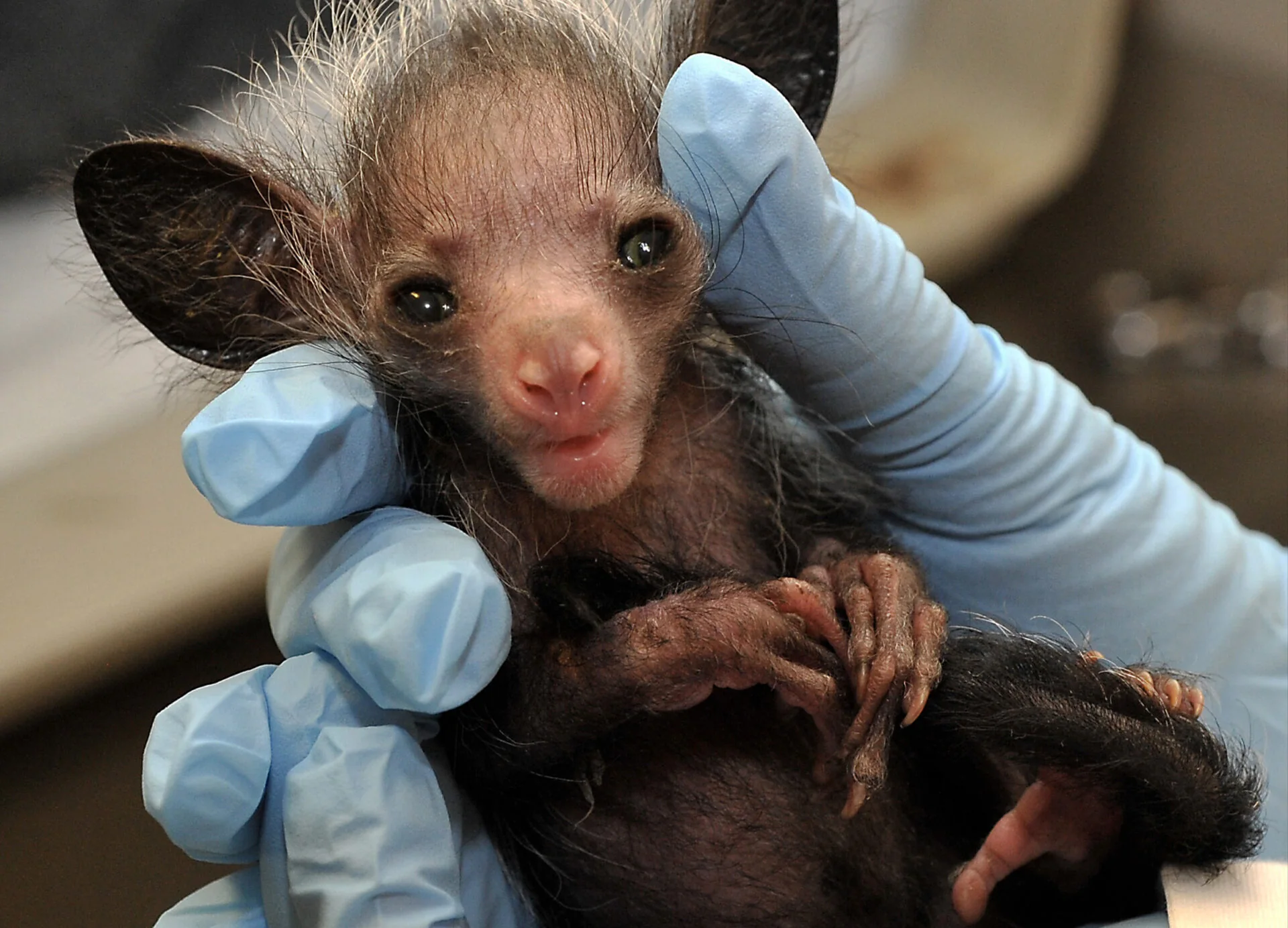
Aye-aye
The thin middle finger is not a deformity. It taps wood, reaches into cavities and hooks out insect larvae or soft plant material.
Read profile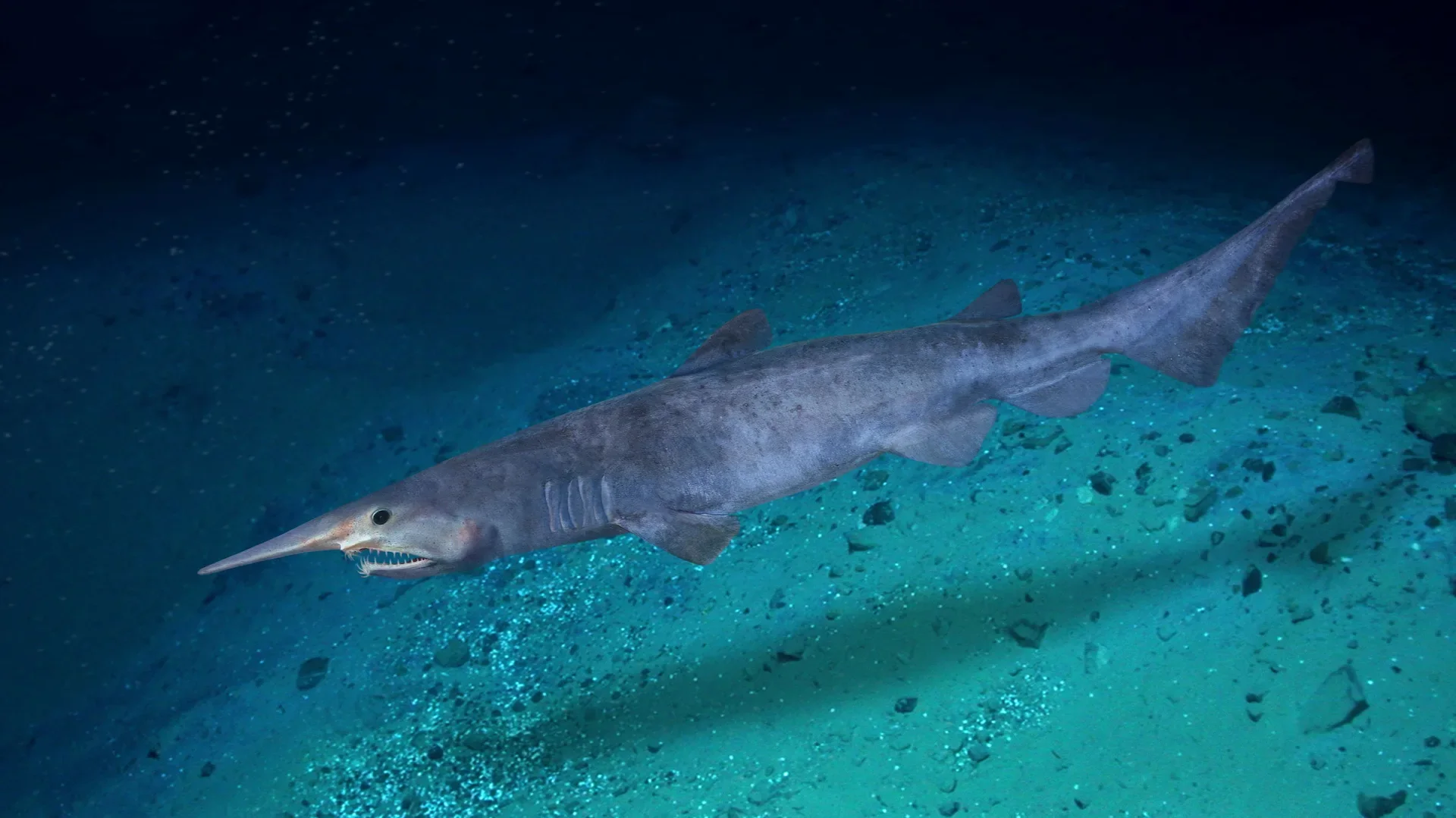
Fish
Goblin shark
The long snout carries sensory organs, while the highly protrusible jaws move forward rapidly to capture prey.
Read profile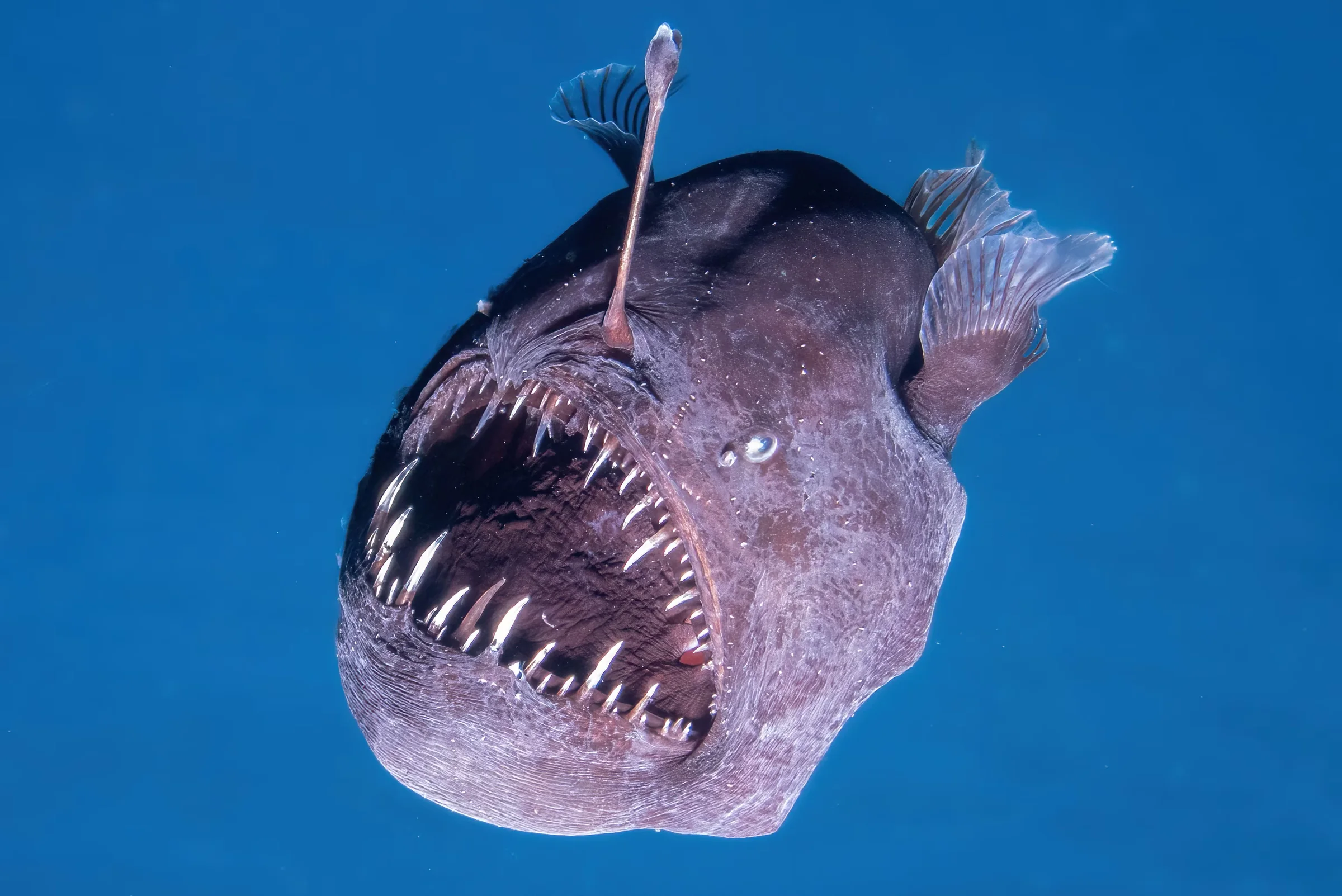
Fish
Deep-sea anglerfish
The lure is a modified dorsal-fin spine. In many deep-sea species its light is produced with help from symbiotic bacteria, but anglerfish biology varies across families.
Read profile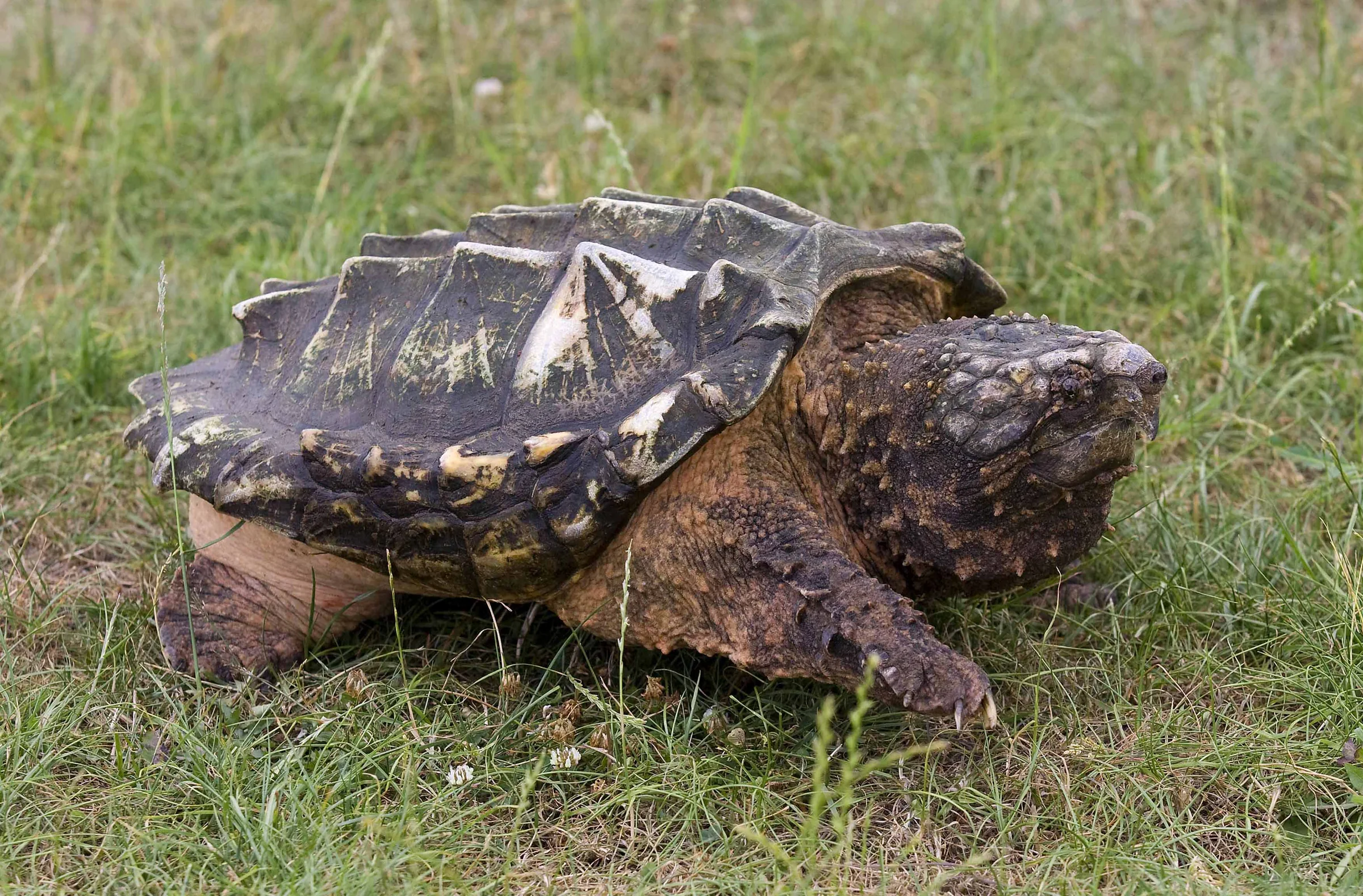
Reptile
Alligator snapping turtle
The pink tongue tip resembles a small worm. A motionless turtle can open its mouth and move the lure to bring curious prey within striking distance.
Read profile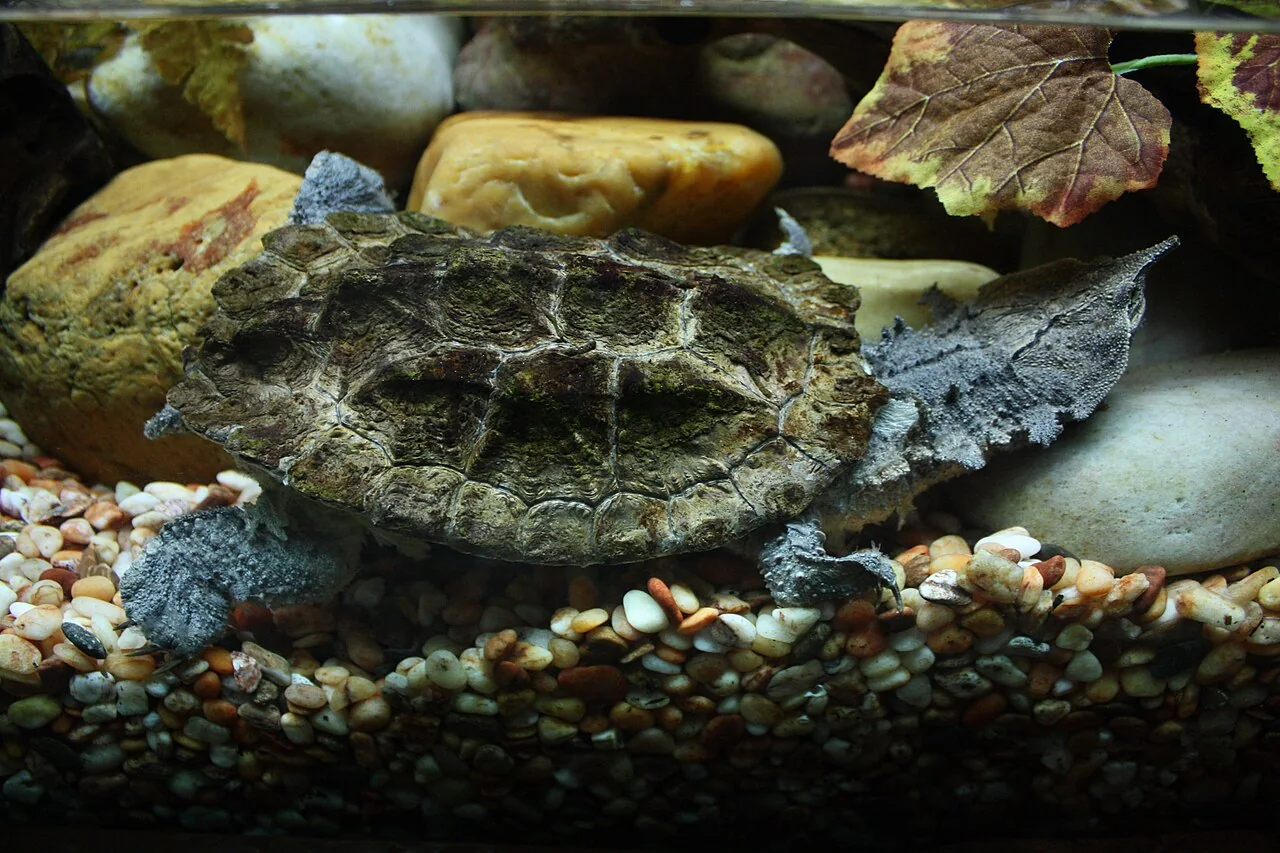
Reptile
Mata mata turtle
Fringes and ridges blur the turtle's outline. When prey comes close, the mouth opens rapidly and draws in water and the animal together.
Read profile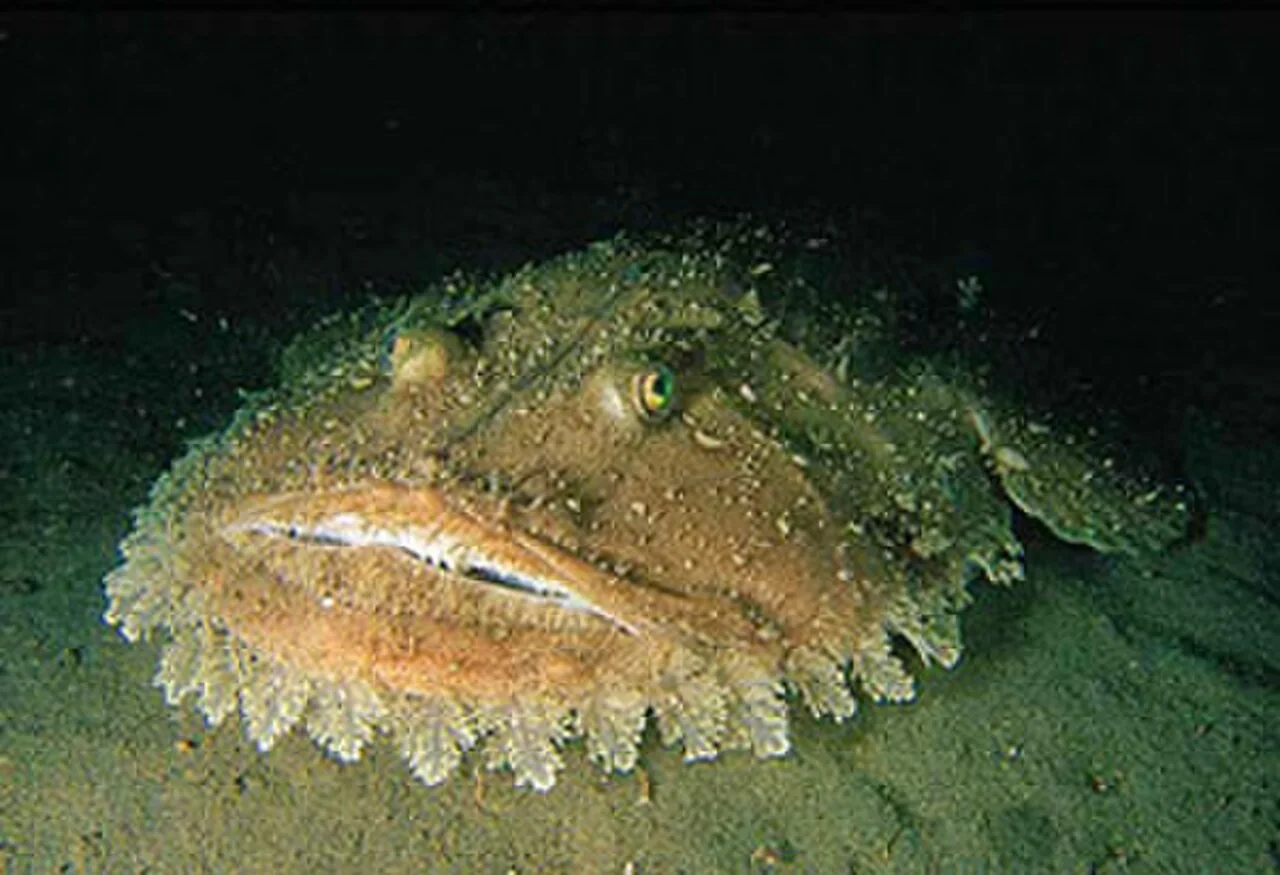
Fish
Monkfish
The first dorsal spine ends in a fleshy lure. Small movements attract attention while mottled skin and fringes conceal the waiting predator.
Read profile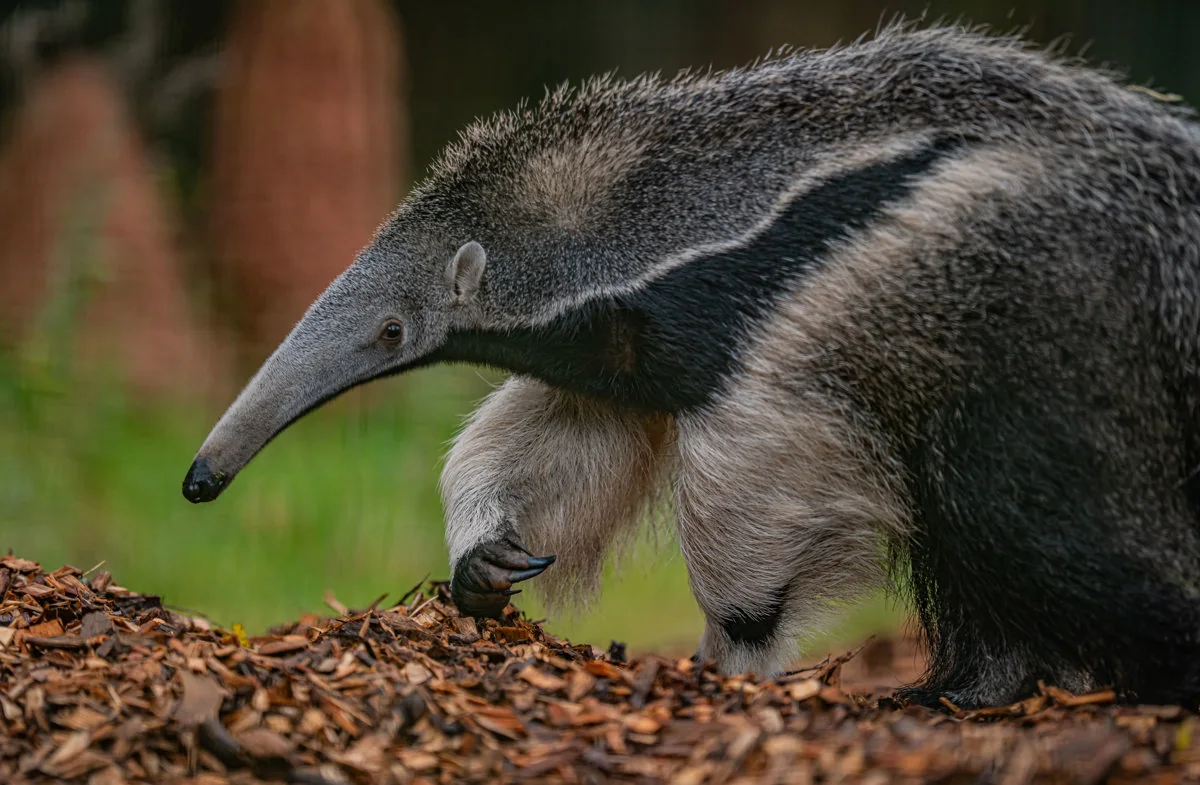
Mammal
Giant anteater
Claws break the nest, smell locates the insects and a saliva-coated tongue enters narrow chambers. The long skull is a housing for specialised feeding equipment.
Read profile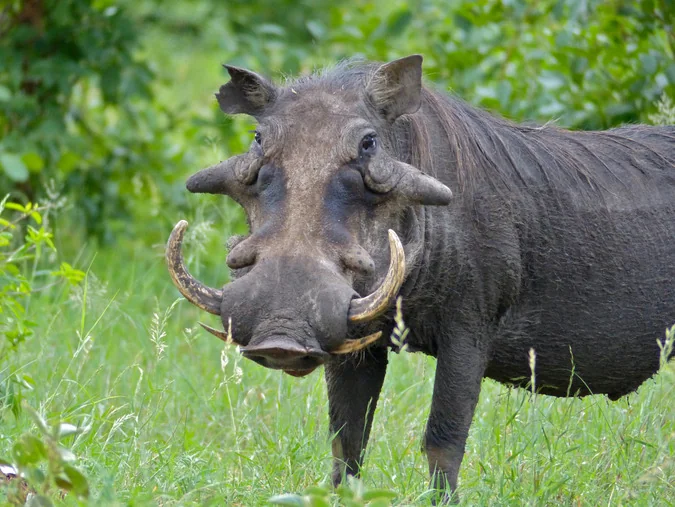
Mammal
Common warthog
Facial pads cushion the head during clashes. Curved tusks defend, display and help move soil, while the broad snout grazes close to the ground.
Read profile01
How do predators bring prey within reach?
Anglerfish and monkfish use modified fin spines as lures. Alligator snapping turtles move a worm-like tongue tip, while mata mata turtles depend on camouflage and rapid suction.
These animals reduce the need for pursuit. Remaining still can save energy and prevent the predator from revealing itself before the strike.
03
What happens during the final feeding strike?
A goblin shark projects its jaws, a mata mata rapidly expands its throat to draw in water and prey, and an anglerfish closes a broad mouth after an animal approaches the lure. Each strike solves distance in a different way.
Speed at the final moment does not mean the whole hunting strategy is fast. Many ambush predators spend far longer waiting and positioning than striking, which keeps the total energy cost low.
04
What are the limits of a specialised feeding tool?
A narrow tongue reaches into spaces that teeth cannot use, while a suction feeder works only when water can carry prey into the mouth. Every advantage depends on food type, distance and habitat.
Specialisation does not mean an animal eats only one item, and anatomy alone cannot provide a complete menu. Diet evidence comes from observation, stomach contents, chemical traces and the availability of prey.
Continue exploring
Compare this guide with the wider collection.