
Biology field guide
Unusual animal noses and faces with practical jobs
A conspicuous nose or bare face can be a sensory organ, air conditioner, feeding tool or social signal. Similar-looking features can perform very different jobs in different animals.
Animals in this guide
7 connected profiles
Mammal
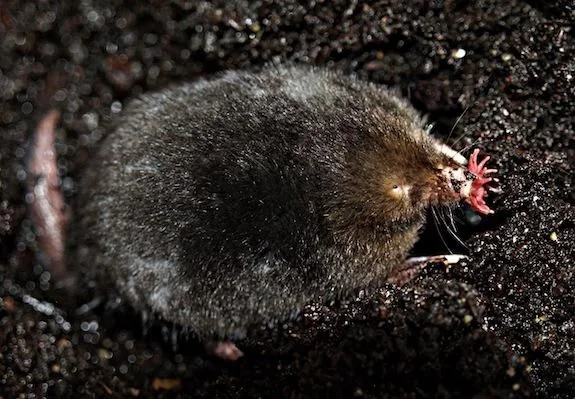
Star-nosed mole
The star does not sting or grasp like a hand. Its rays repeatedly touch the environment and send detailed tactile information to the brain.
Read profile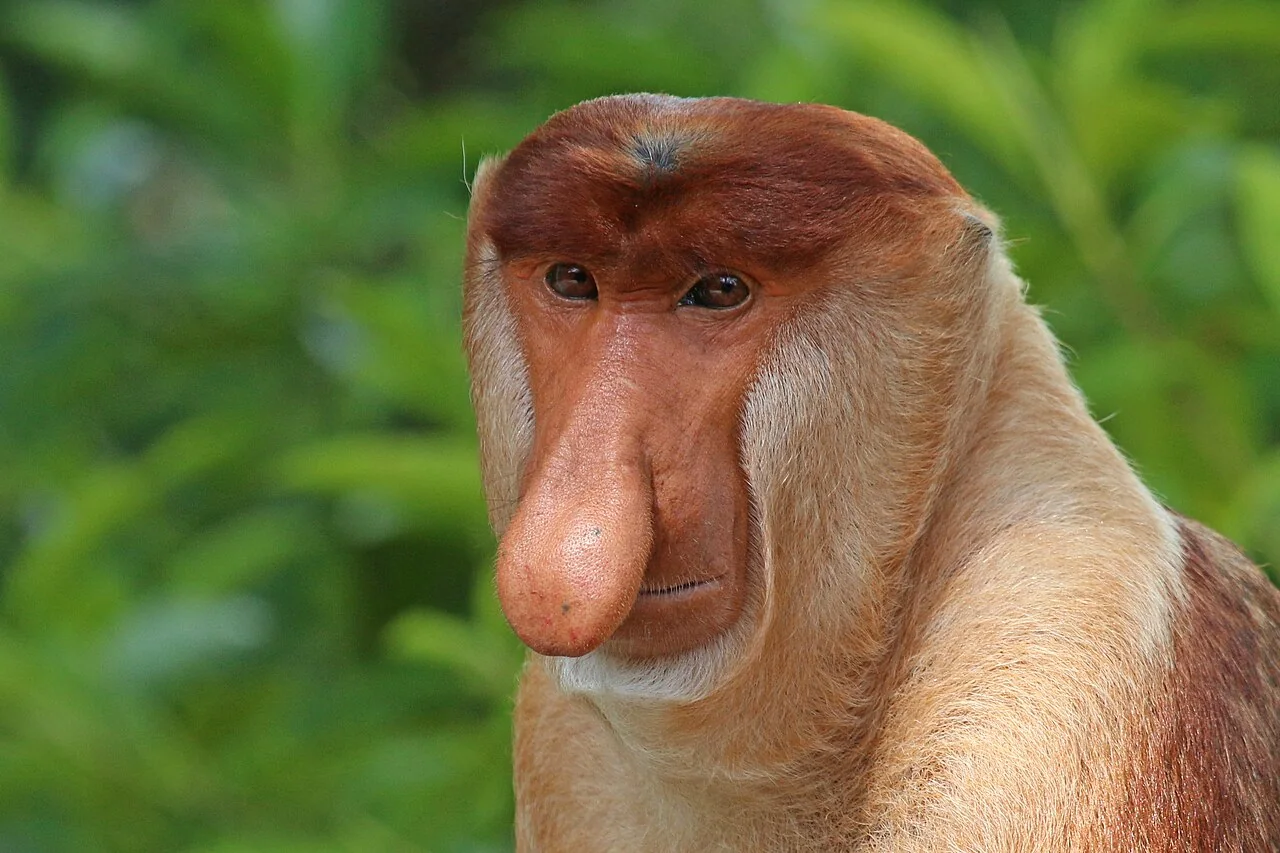
Mammal
Proboscis monkey
The male's nose is a sexually dimorphic trait. It is much larger than the female's and contributes to how males look and sound to other monkeys.
Read profile
Mammal
Saiga antelope
The enlarged nasal passages filter airborne dust and help warm and humidify cold air before it reaches the lungs.
Read profile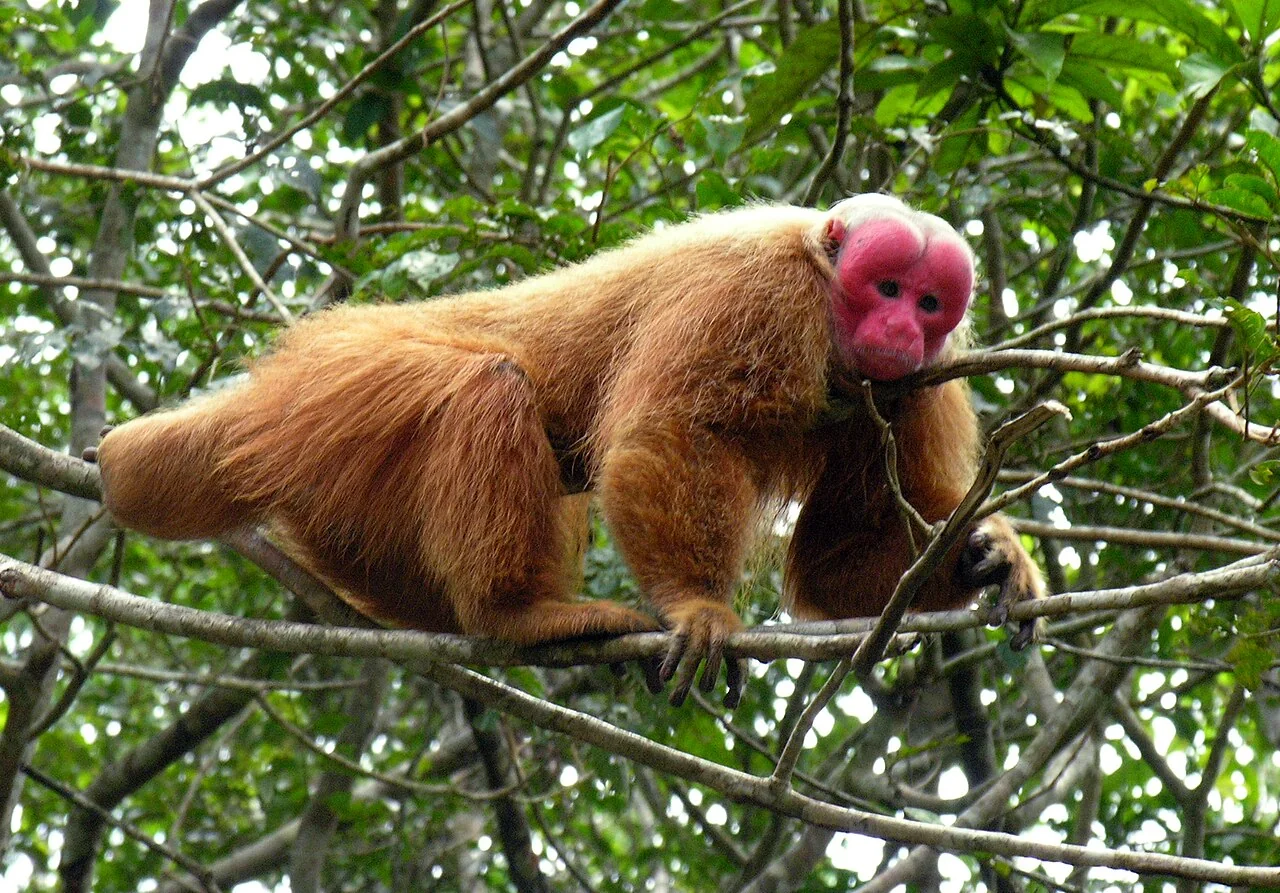
Mammal
Bald uakari
The face is red because capillaries sit beneath thin skin with little pigment. Colour may communicate health or physiological state, but simple mate-choice stories remain hypotheses.
Read profile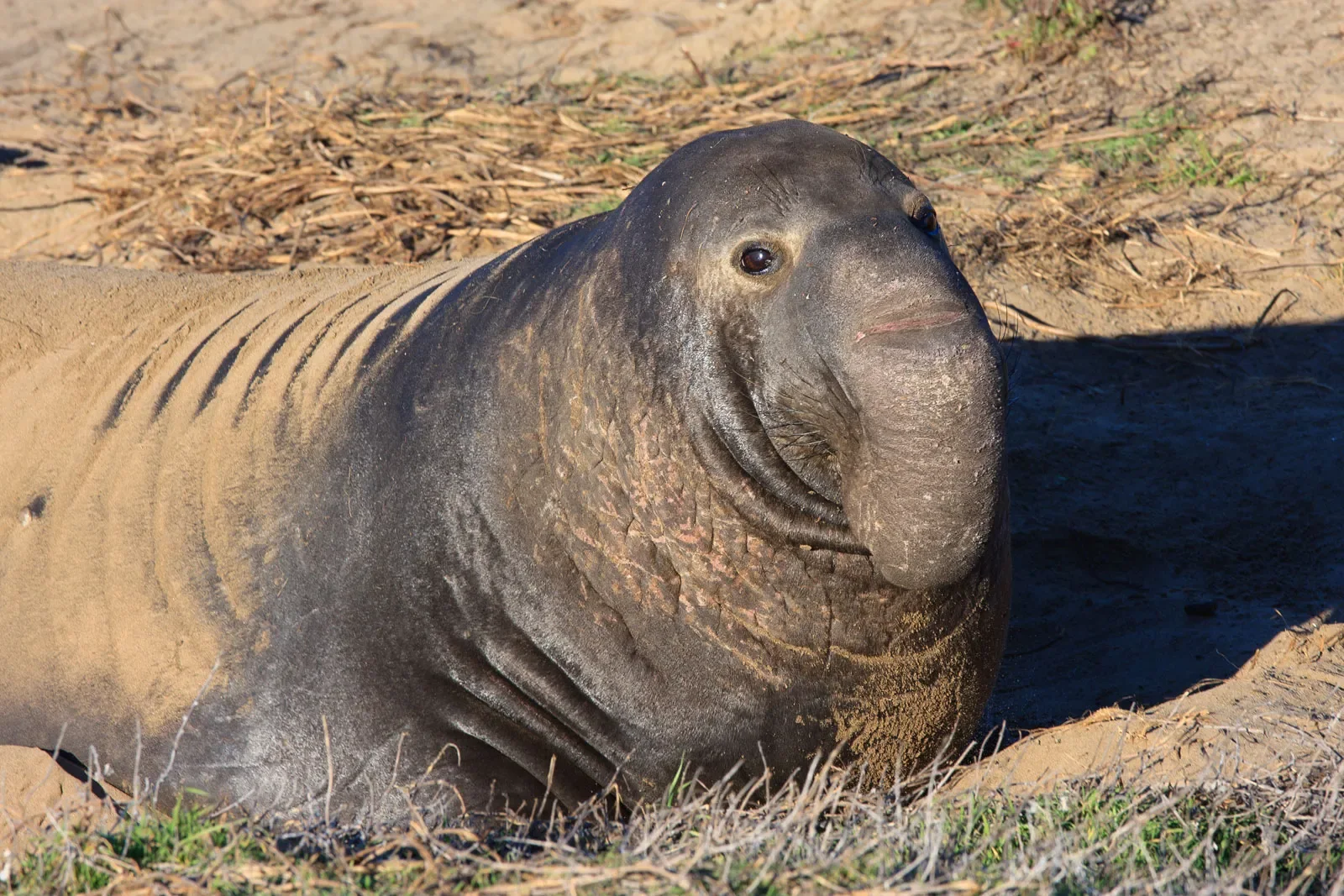
Mammal
Southern elephant seal
The mature male inflates his nose while roaring. The enlarged resonating structure helps a call carry across a noisy beach and reinforces the visual impression of body size.
Read profile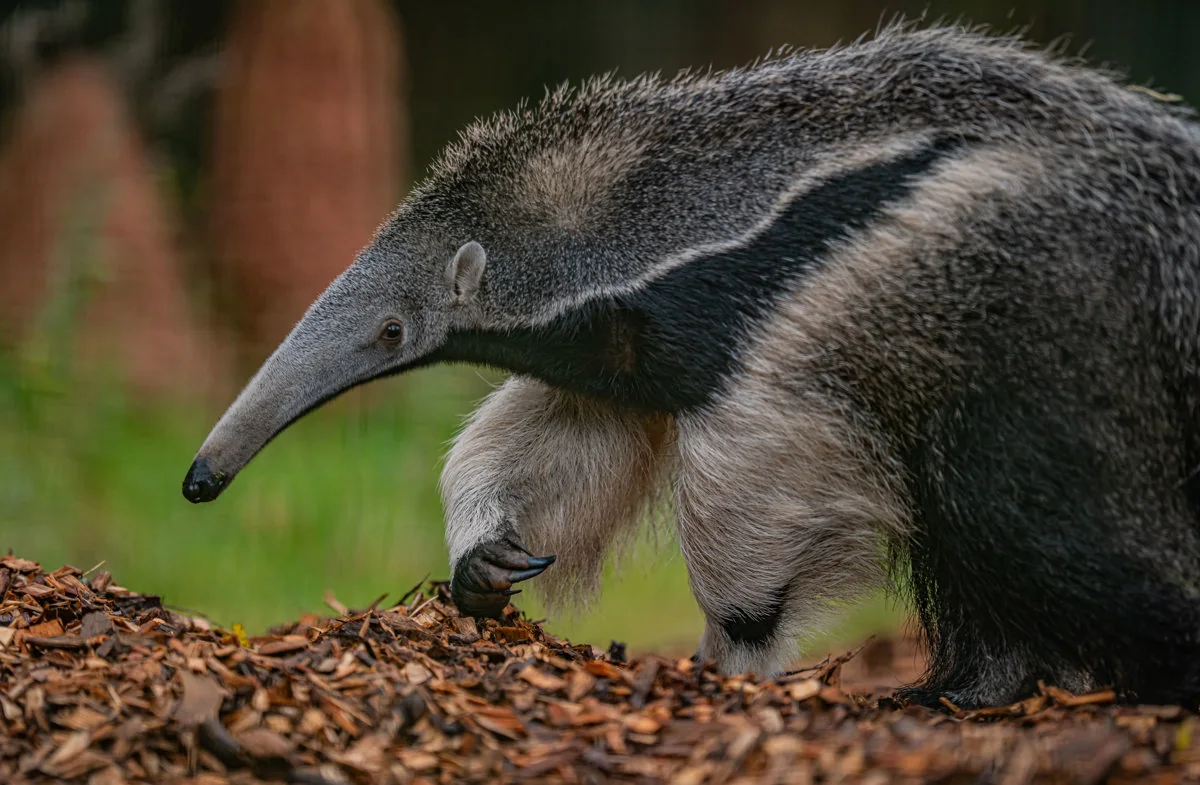
Mammal
Giant anteater
Claws break the nest, smell locates the insects and a saliva-coated tongue enters narrow chambers. The long skull is a housing for specialised feeding equipment.
Read profile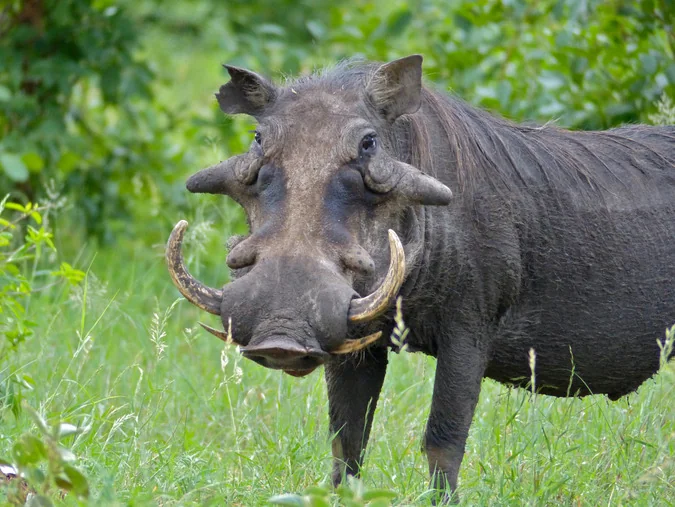
Mammal
Common warthog
Facial pads cushion the head during clashes. Curved tusks defend, display and help move soil, while the broad snout grazes close to the ground.
Read profile01
How can a nose sense or condition the environment?
The star-nosed mole's rays are touch organs rather than nostrils. The saiga's internal nasal passages filter dust and condition cold air. Both faces process environmental information, but through different anatomy.
The giant anteater's long snout houses a specialised feeding system guided strongly by smell. A long face is therefore not one adaptation with one explanation.
02
How do faces become social signals?
Male proboscis monkeys and elephant seals use enlarged nasal structures in displays involving sound and body size. Bald uakari faces expose blood-rich skin that may reveal physiological condition.
Social explanations require care. A visible difference between sexes or individuals can support signalling, but simple stories about attractiveness should not be presented as proven when the evidence remains limited.
03
When is a face also a feeding or defence tool?
A giant anteater's long snout positions a narrow mouth and tongue close to insect nests. A warthog's broad face supports tusks and protective pads used during feeding and conflict. In both cases, the visible outline belongs to a larger system of bone, muscle and behaviour.
A feature can have more than one consequence. The same tusk may expose roots, defend against a predator or be used in a contest. Explaining function means identifying the behaviour, not assigning one permanent label to the structure.
04
Why can similar faces have unrelated origins?
Natural selection works with structures inherited from different ancestors. A mole's tactile rays, a seal's inflatable proboscis and an antelope's enlarged nasal passages can all dominate the face without sharing the same anatomy or purpose.
This is why appearance should begin a comparison rather than finish it. Species identity, sex, age, habitat and observed behaviour help distinguish a sensory organ from a feeding tool or social signal.
Continue exploring
Compare this guide with the wider collection.