
Biology field guide
Wings, limbs and support structures built for different movement
A body part that looks oversized often reflects the force it handles. Wings, legs and claws show how movement depends on habitat, speed, body mass and the surface beneath the animal.
Animals in this guide
6 connected profiles
Bird
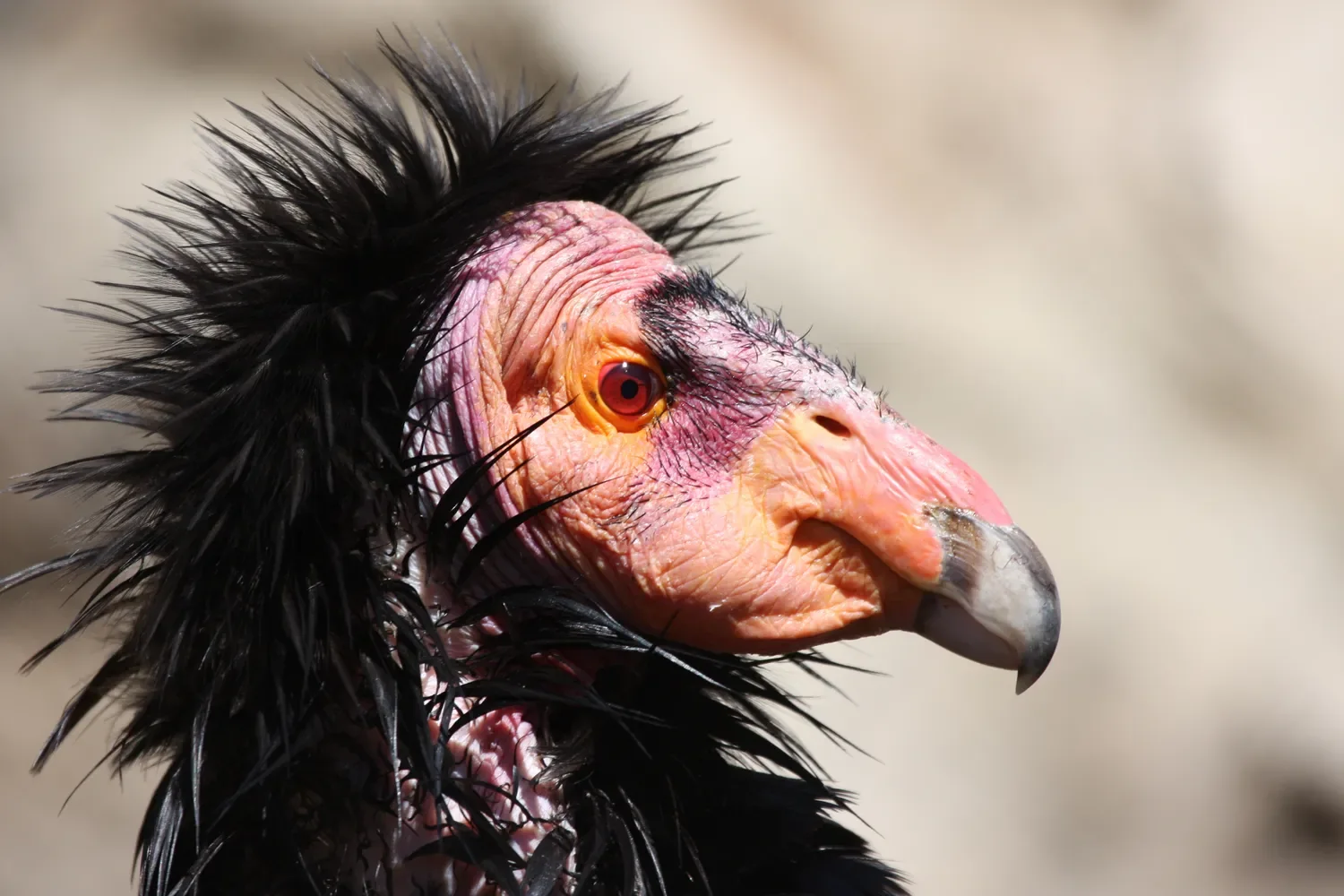
California condor
A featherless head is practical for a bird that reaches into carcasses. Exposed skin is easier to clean than blood-soaked feathers and can change colour during excitement.
Read profile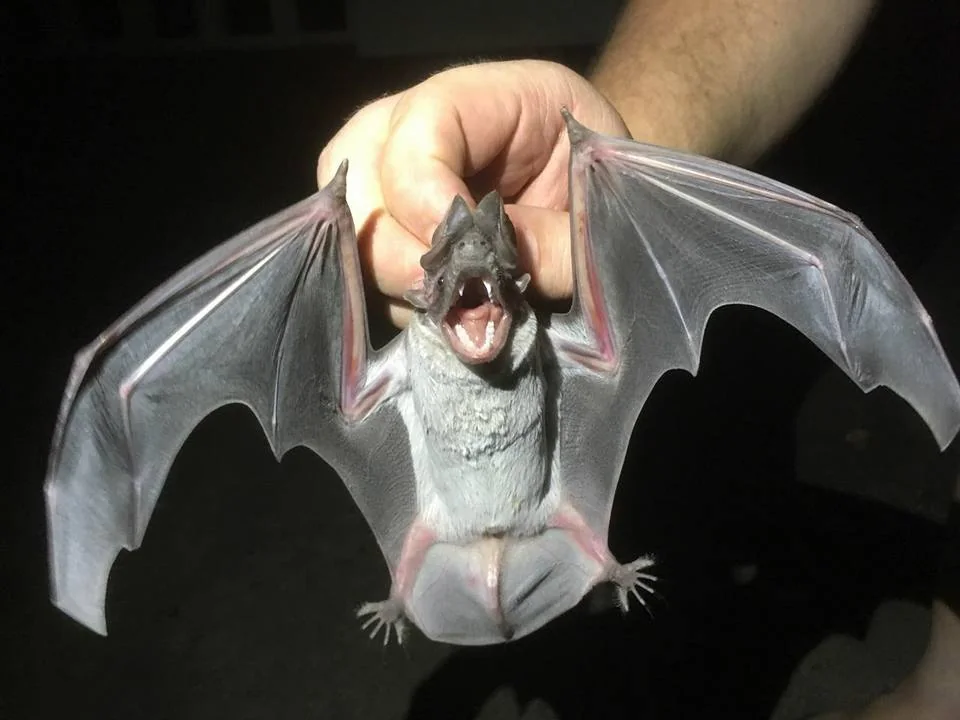
Mammal
Angolan free-tailed bat
Long narrow wings trade tight turning for efficient fast flight. The exposed tail and broad tail membrane help control pursuit of flying insects.
Read profile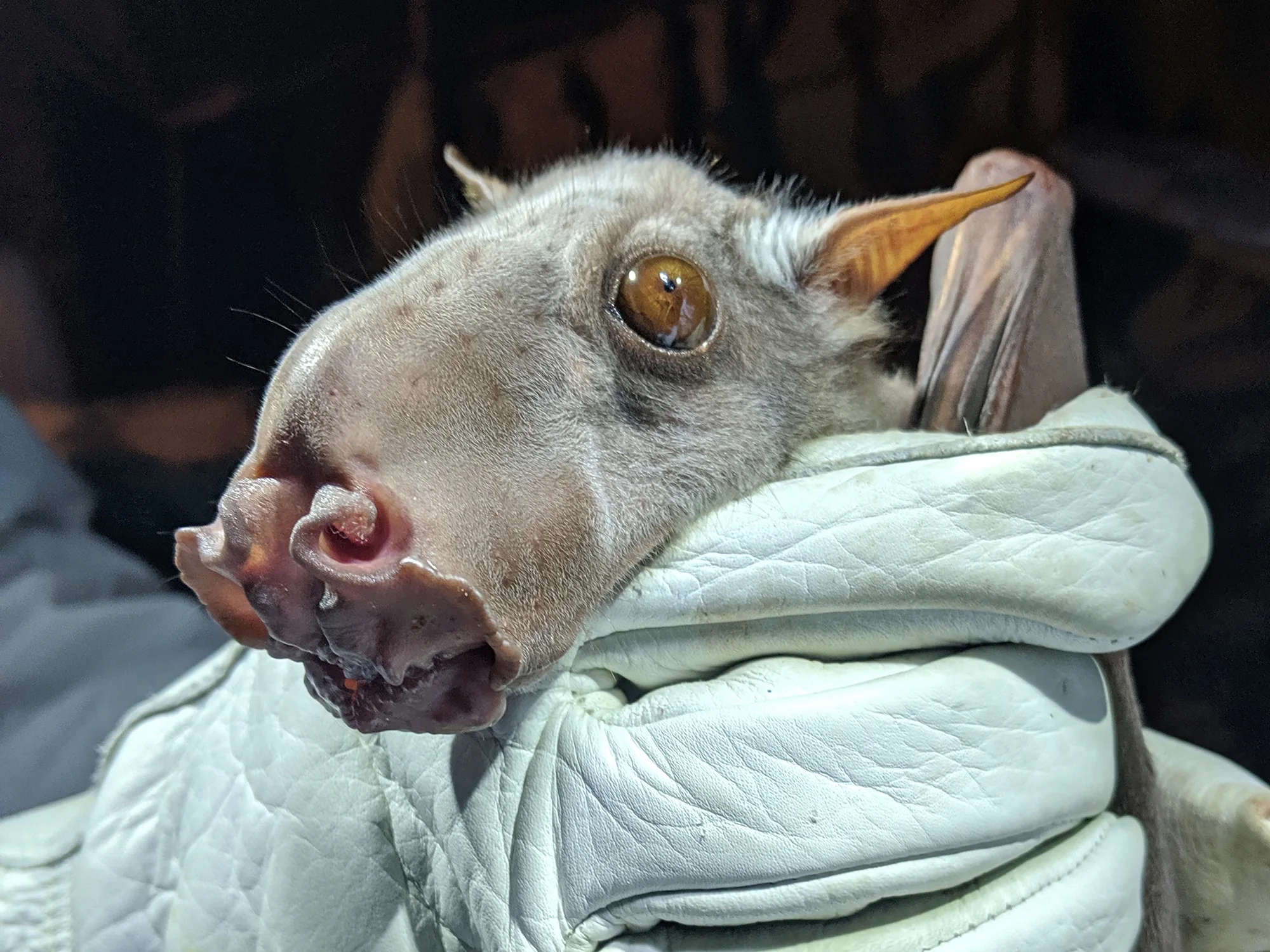
Mammal
Hammer-headed bat
The male's head is part of an acoustic system. Enlarged air passages, larynx and lips help turn a call into the far-carrying honk heard at display sites.
Read profile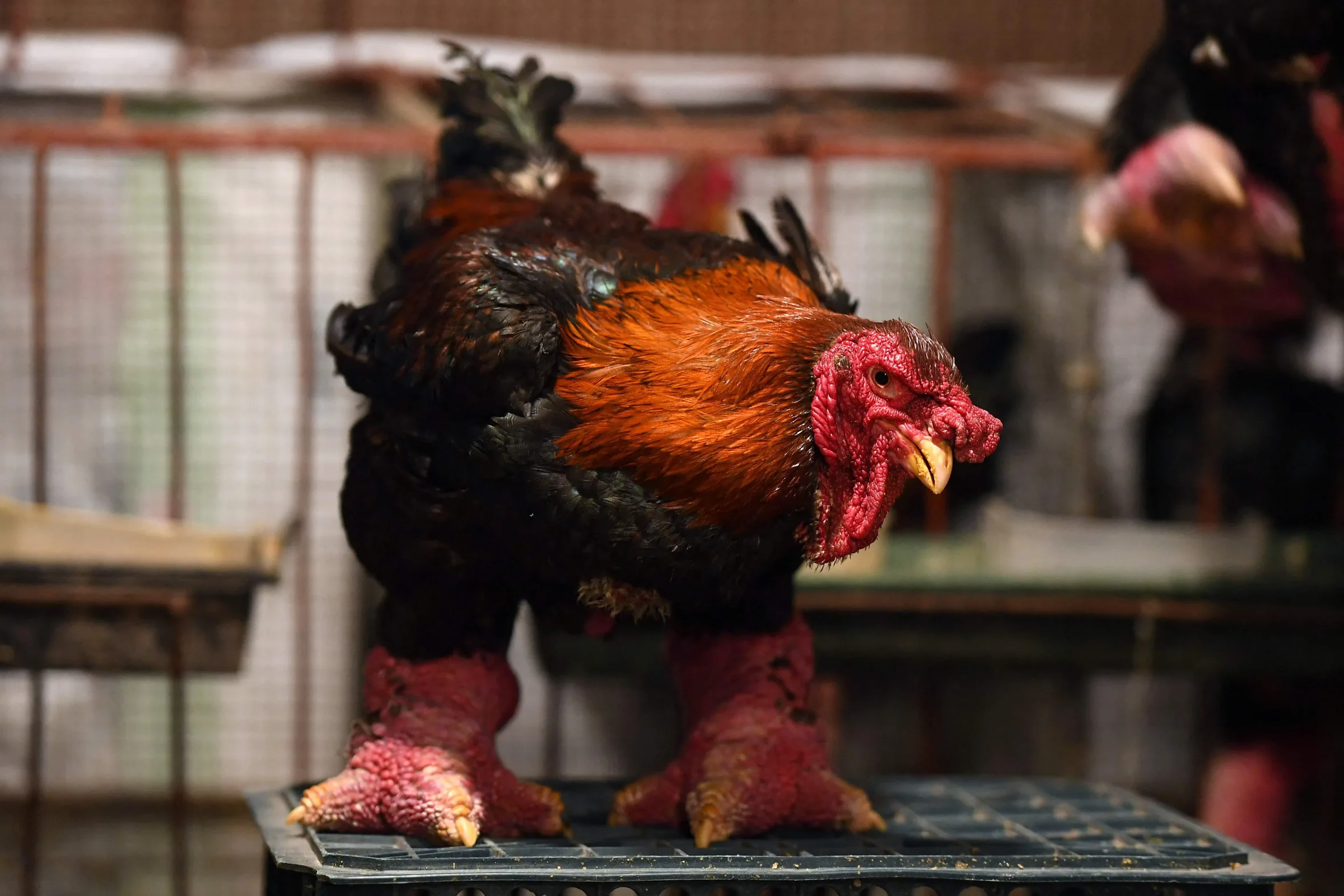
Bird
Dong Tao chicken
The legs are not ordinary chicken legs hidden by feathers. Anatomical study found an exceptionally thick tarsometatarsal bone and enlarged connected regions.
Read profile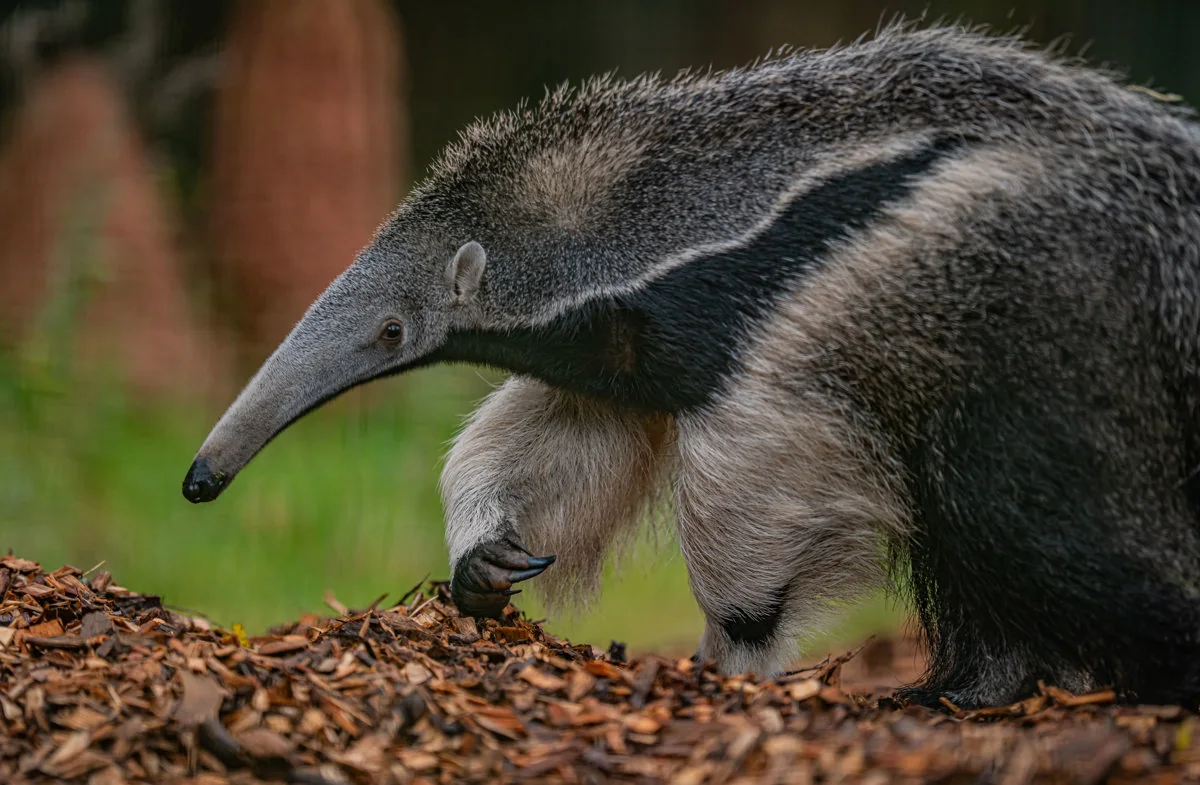
Mammal
Giant anteater
Claws break the nest, smell locates the insects and a saliva-coated tongue enters narrow chambers. The long skull is a housing for specialised feeding equipment.
Read profile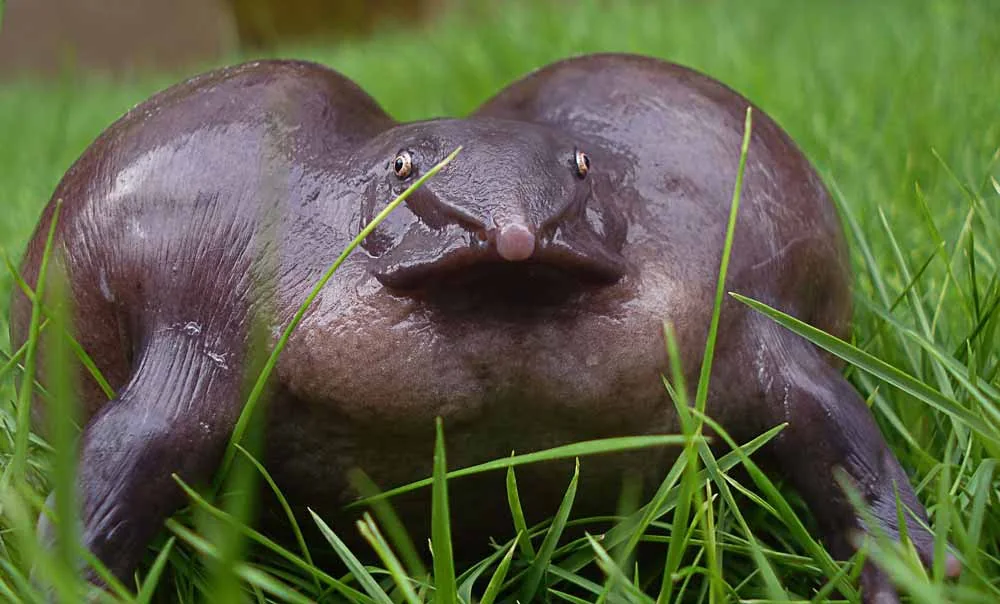
Amphibian
Purple frog
A compact body and reinforced limbs push through soil, while the narrow snout helps the frog work around underground feeding spaces.
Read profile01
How can two wings solve different flight problems?
California condors use very broad wings to soar on rising air and travel widely with limited flapping. Angolan free-tailed bats use long, narrow wings for fast, efficient open-air flight.
Hammer-headed bats have a different ecological and social system again. Wing shape should be compared with body size, feeding behaviour and the space in which the animal flies.
02
What do thick legs and large claws reveal?
Dong Tao chickens have unusually thick lower-leg bones and associated tissues. Giant anteater claws produce force when opening nests, while purple frog limbs push against soil.
Visible size alone does not prove a purpose. Anatomy can describe what is enlarged, while function needs evidence from movement, behaviour, breeding history and mechanical demands.
03
What do wing shape and flight style trade off?
Long, narrow wings can make sustained travel efficient in open air, while broad wings can exploit rising air and support slow soaring. Manoeuvring among branches, accelerating from a roost and carrying a large body place different demands on the wing.
No wing is best in every setting. Aspect ratio, loading, muscle, tail and behaviour work together, so a silhouette should not be interpreted without the animal's flight environment.
04
Why does a limb need to be judged in motion?
A still photograph can make a claw, leg or foot look excessive. Movement shows where force is applied, how joints are protected and whether the structure supports walking, digging, gripping or display.
Domestic breeding adds another layer. Dong Tao leg size reflects human selection within a breed, while a condor wing or anteater claw was shaped through wild evolutionary pressures. Similar visual exaggeration can have a different history.
Continue exploring
Compare this guide with the wider collection.